Uncategorized
Unlock Faster Healing: BPC-157 Injection Price Guide for 2026
May
Understanding bpc 157 injection price helps buyers navigate options for this popular regenerative peptide. Demand continues to rise for support with injury recovery, inflammation, and gut health. This guide delivers transparent details on current costs, quality considerations, benefits, and practical advice. Visit our shop page to check out our pricings
BPC 157 injection price typically starts around $35–$75 for basic research vials and climbs to $219–$449 for monthly compounded programs under medical supervision. Variations exist based on purity, format, and provider services.
What Is BPC-157 and Why the Growing Interest in Its Cost?
BPC-157, known formally as Body Protection Compound-157, is a synthetic peptide modeled after a protective protein in human gastric juice. Researchers have studied it for years due to its potential in tissue repair and cytoprotection.
People investigate bpc 157 injection price for applications like:
- Tendon, ligament, and muscle injury recovery
- Joint support and reduced inflammation
- Gastrointestinal lining repair
- Post-surgical healing acceleration
Preclinical data shows promising regenerative effects, which drives curiosity about real-world pricing and accessibility.
Current BPC-157 Injection Costs in 2026
Bpc 157 injection price varies significantly across sourcing methods. Here’s an updated breakdown based on market trends:
Research Chemical Vials
- 5mg vial: $35–$75
- 10mg vial: $85–$160
- Bulk options often reduce per-milligram costs for extended research protocols
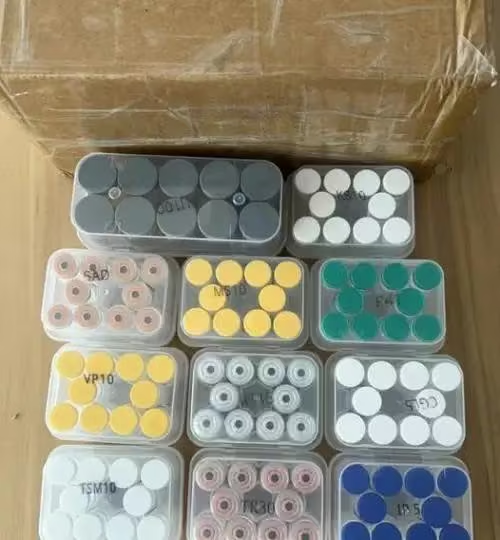
These products are labeled for laboratory use only and typically require reconstitution with bacteriostatic water.
Compounded Therapy Programs
- Single-peptide monthly plans: $219–$449
- Stacked protocols (often with TB-500 or similar): $449–$795
- Packages including consultations: $299–$499 for the first month
Clinics may adjust bpc 157 injection price according to individualized dosing and ongoing oversight.
| Option | Typical Cost | Best Suited For | Important Notes |
|---|---|---|---|
| 5mg Research Vial | $35–$75 | Initial exploration | Requires DIY reconstitution |
| 10mg Research Vial | $85–$160 | Standard research cycles | Good value per mg |
| Monthly Compounded | $219–$449 | Supervised therapeutic use | Includes medical monitoring |
| Multi-Peptide Stack | $449–$795 | Comprehensive recovery | Enhanced protocols |
Key factors influencing overall cost include third-party testing, pharmacy standards, shipping, and telemedicine support.
Mechanisms and Potential Benefits of BPC-157
Evaluating bpc 157 injection price makes sense when considering the peptide’s studied actions. It appears to promote angiogenesis, support collagen deposition, and help modulate inflammatory pathways.
Commonly reported benefits in research contexts include:
- Accelerated healing of tendons and ligaments
- Improved muscle repair timelines
- Enhanced gut barrier integrity
- Better joint comfort and mobility
For example, animal model studies have demonstrated positive structural and functional outcomes in musculoskeletal injury scenarios.
External high-authority references:
- PubMed study on BPC-157 tendon healing
- NIH/PMC review on regenerative effects
- PubMed article on gastrointestinal protection
- FDA information on compounding regulations
Dosing and Administration Guidelines
Standard approaches often involve:
- Daily amounts of 250–500 mcg, frequently split into 1–2 subcutaneous injections
- Treatment cycles of 4–8 weeks, with possible extension based on response
- Localized injections near injury sites or abdominal sites for systemic effects
Proper sterile technique remains essential. The investment in quality sourcing helps ensure consistent results across a full protocol.
Safety Profile, Legality, and Considerations
BPC-157 demonstrates a favorable safety profile in preclinical research, with limited human data also suggesting good tolerability. However, it is not FDA-approved for human therapeutic use.
Mild, infrequent side effects may include localized injection reactions or temporary fatigue. Professional medical guidance is strongly advised before beginning any regimen.
Legal access often occurs through licensed compounding pharmacies under physician supervision, especially as FDA compounding rules evolve.
Injection vs. Oral Forms: Cost and Effectiveness Comparison
Injections frequently appeal for targeted tissue support due to direct delivery. Oral versions may suit gut-focused needs and offer convenience. Your specific goals influence which format provides the best overall value relative to price.
Who Typically Explores BPC-157 Options?
- Athletes dealing with overuse injuries
- Individuals recovering from surgery or trauma
- People managing chronic inflammatory or digestive concerns
Pairing the peptide with evidence-based practices like physical therapy, nutrition, and rest maximizes potential outcomes.
Tips for Quality and Value
To make the most of your investment:
- Demand Certificates of Analysis (CoA) and third-party lab results
- Select providers working with reputable 503A or 503B pharmacies
- Avoid unusually low prices that may indicate quality risks
- Factor in all associated expenses like supplies and consultations
Conclusion: Balancing BPC-157 Costs with Potential Benefits
Bpc 157 injection price spans a wide spectrum, from budget research materials to premium supervised programs. Informed buyers weigh quality, safety, and support against total expense. As scientific understanding advances, responsible sourcing remains key to any successful experience. Consult healthcare professionals to determine suitability for your unique situation.
FAQ: Common Questions About BPC-157
What is the average monthly cost for BPC-157 therapy? Compounded programs generally range from $219 to $449 for single-peptide options, with stacks costing more.
How much do research-grade 10mg vials typically cost? Prices commonly fall between $85 and $160, depending on supplier and purity standards.
Are compounded BPC-157 injections more expensive than research versions? Yes, due to medical oversight, testing, and regulatory compliance involved in therapeutic formulations.
How long do typical cycles last? Most protocols run 4–8 weeks, though duration varies by individual needs and provider recommendations.
What factors affect the final price of BPC-157? Purity verification, compounding standards, consultation fees, and protocol complexity all play a role.
Is professional supervision recommended when using BPC-157? Absolutely. Working with qualified providers helps ensure safety and appropriate application.
