
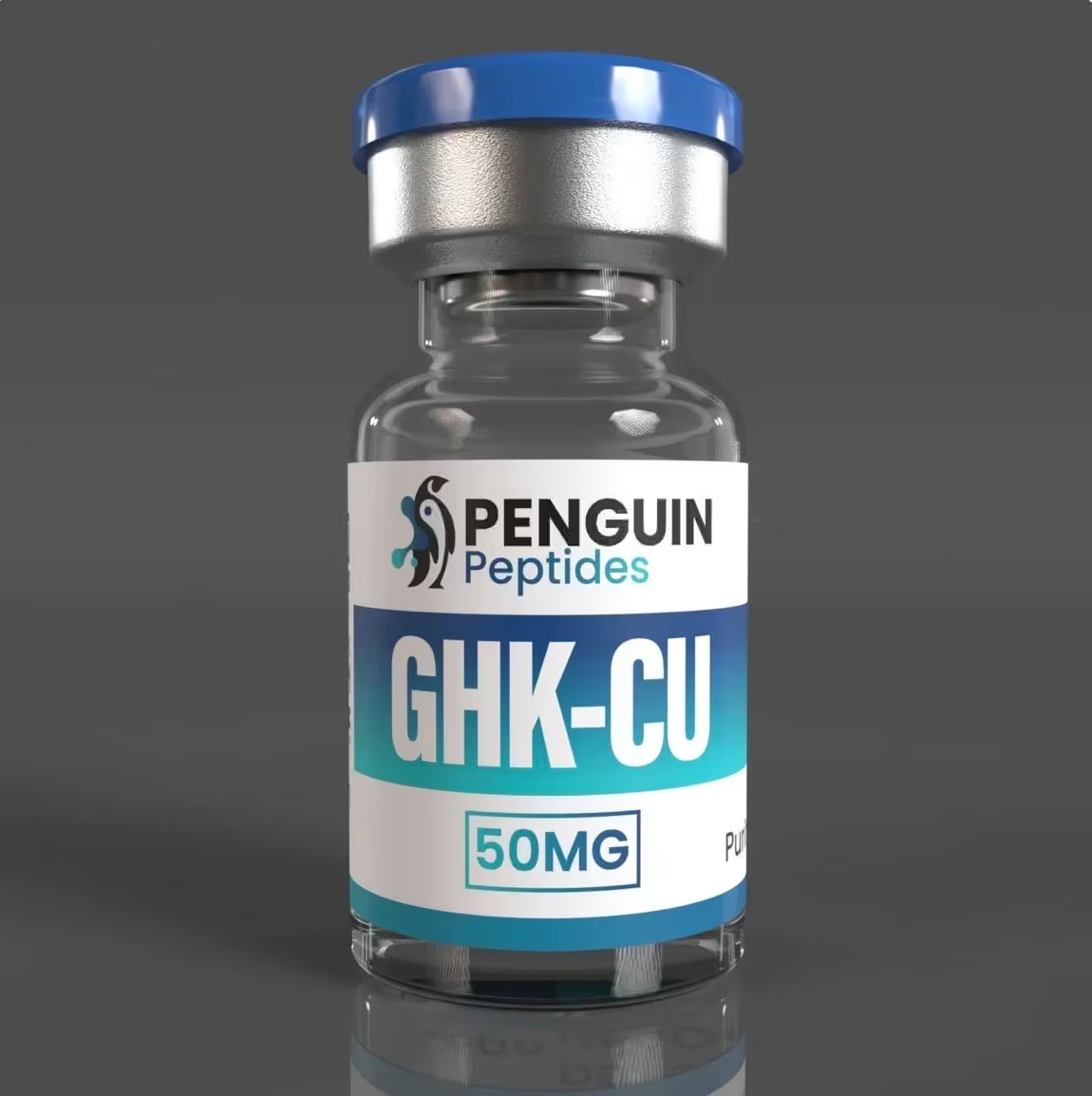
GHK Cu Serum – Research-Grade Copper Peptide for Skin Research
Product Overview
GHK Cu serum refers to research formulations containing the copper-binding tripeptide glycyl-L-histidyl-L-lysine complexed with copper(II). First identified in 1973 by Dr. Loren Pickart, this naturally occurring peptide is found in human plasma, saliva, and urine, with plasma levels declining significantly with age from approximately 200 µg/mL in young adults to much lower concentrations in older individuals . This age-related decline correlates with reduced regenerative capacity in skin, hair, and other tissues.
The GHK-Cu complex functions primarily by facilitating copper uptake into cells, which activates a broad range of regenerative and anti-inflammatory processes. Research-grade GHK Cu serum is used in laboratory settings to investigate collagen synthesis, wound healing mechanisms, and gene expression modulation related to tissue remodeling. According to Wikipedia, GHK-Cu is a human copper binding peptide with wound healing and skin remodeling activity, commonly referred to as copper peptide .
Product Specifications
| Feature | Specification |
|---|---|
| Peptide Name | GHK-Cu (Copper Peptide) |
| Amino Acid Sequence | Glycyl-L-Histidyl-L-Lysine |
| Molecular Weight | ~340 Da (peptide) + ~63.5 Da (Cu) |
| Purity | ≥98% (HPLC) |
| Form | Lyophilized powder |
| Solubility | Soluble in sterile water or bacteriostatic water |
| Storage | -20°C (long-term), 2–8°C (short-term) |
| For Research Use Only | Not for human or clinical use |
Mechanism of Action
Copper-Mediated Enzyme Activation
The copper component of GHK-Cu serum is essential to its biological activity. The peptide-copper complex facilitates copper uptake into cells, where copper functions as a cofactor for cuproenzymes involved in cellular respiration, antioxidant defense, and connective tissue formation. Copper activates lysyl oxidase, the enzyme responsible for cross-linking collagen and elastin, which directly improves the tensile strength of newly formed tissue.
Research published on PubMed demonstrates that GHK-Cu is susceptible to hydrolytic cleavage under basic and oxidative stressors with first-order degradation profiles, and the peptide was stable in water and in pH (4.5-7.4) buffers for at least two weeks at 60 °C .
Collagen and Glycosaminoglycan Synthesis
GHK Cu serum stimulates collagen production in skin fibroblasts through multiple pathways. Research shows that GHK-Cu improves wound healing and tissue regeneration (skin, hair follicles, stomach and intestinal linings, and boney tissue), increases collagen and glycosaminoglycans, stimulates synthesis of decorin, increases angiogenesis, and nerve outgrowth . In vitro assays demonstrated that GHK-Cu led to 48.90 ± 2.50% elastase inhibition, thus reducing the rate of elastin degeneration and supporting the structural integrity of the skin .
Gene Expression Modulation
Research using Broad Institute Connectivity Map data across 13,424 genes identified that GHK-Cu affects expression of over 30 genes tied to skin barrier function and oxidative stress protection. According to research published in BioMed Research International, GHK has been found to reset genes of diseased cells from patients with cancer or COPD to a more healthy state .
Anti-Inflammatory and Antioxidant Pathways
GHK Cu serum reduces inflammation by suppressing pro-inflammatory cytokine production. Research shows that GGH, GHK, CuCl2 and their copper complexes decreased TNF-alpha-dependent IL-6 secretion in fibroblasts. Because of the anti-inflammatory properties, the copper-peptides could be used on the skin surface instead of corticosteroids or non-steroidal anti-inflammatory drugs, which have more side effects .
Research Applications
Skin Regeneration and Wound Healing
GHK Cu serum has demonstrated accelerated wound closure and enhanced skin regeneration in multiple research models. According to research published in PubMed, treatment with copper-GHK may increase the proliferative potential of basal keratinocytes by modulating the expression of integrins, p63 and PCNA. Increased levels of p63, a putative stem cell marker of the skin, suggests that copper-GHK promotes the survival of basal stem cells in the skin .
A study published in Biomaterials Research developed a composite hydrogel dressing loaded with GHK-Cu that exhibited both antibacterial and anti-inflammatory properties, played a hemostatic role by adhering to tissues, and promoted neovascularization for skin regeneration .
Collagen and Elastin Research
At non-toxic concentrations, GHK Cu serum stimulates collagen, glycosaminoglycans, and proteoglycans while modulating matrix metalloproteinases. Research published in ScienceDirect shows that the release of Cu-GHK nanofibers stimulated fibroblast proliferation, cytokine activation, and collagen expression, which led to anti-inflammatory effects and improved wound healing, including angiogenesis via VEGF activation .
Hair Follicle Research
GHK Cu serum supports hair follicle health through proposed mechanisms involving VEGF signaling activation, which supports follicle vascularization. The peptide improves wound healing and tissue regeneration including hair follicles .
Anti-Aging and Gene Reset Studies
Pickart and Margolina published gene ontology analyses identifying GHK-Cu’s transcriptional effects on genes related to tissue remodeling, antioxidant defense, anti-inflammatory response, and nerve outgrowth. Research published in the International Journal of Molecular Sciences discusses GHK’s effect on genes that suppress fibrinogen synthesis, the insulin/insulin-like system, and cancer growth plus activation of genes that increase the ubiquitin-proteasome system, DNA repair, antioxidant systems, and healing by the TGF beta superfamily .
Quality and Purity
Each batch of Penguin Peptides GHK Cu serum undergoes rigorous quality control:
-
≥98% purity verified by HPLC
-
Correct molecular weight confirmed by mass spectrometry
-
Third-party tested with Certificates of Analysis (COA) available
-
Sterility and mycoplasma tested
Frequently Asked Questions
What is GHK Cu serum?
GHK-Cu serum refers to research formulations containing the copper-binding tripeptide glycyl-L-histidyl-L-lysine complexed with copper. It is studied for its roles in collagen synthesis, wound healing, and gene expression modulation .
Why is copper essential to GHK-Cu activity?
The copper component is essential for GHK-Cu’s biological activity. The peptide’s mechanism involves facilitating copper uptake into cells. Without the copper complex, the peptide does not exert the same regenerative and collagen-stimulating effects .
What purity level can I expect?
Our GHK-Cu serum is provided at ≥98% purity, verified by HPLC with third-party testing.
What research applications is GHK Cu serum used for?
GHK-Cu serum is studied in skin regeneration, wound healing, collagen and elastin synthesis, hair follicle research, and gene expression studies related to tissue remodeling .
How should GHK Cu serum be stored?
Store lyophilized powder at -20°C for long-term stability. Reconstituted material should be stored at 2–8°C and used promptly following standard laboratory protocols .
Is this product suitable for human use?
No. This product is supplied for research purposes only and is not intended for human consumption or clinical application. GHK-Cu is not FDA-approved as a drug.
Conclusion
GHK Cu serum represents a valuable research tool for investigating copper-mediated regenerative pathways, collagen synthesis, and gene expression modulation. With its high-purity formulation and comprehensive quality documentation, this product enables researchers to study the peptide’s diverse biological effects across dermatological, wound healing, and longevity research contexts. The established pharmacology of GHK-Cu and its well-documented safety profile in topical research applications provide a strong foundation for meaningful scientific inquiry.
Ready to Advance Your Research?
Order premium GHK Cu serum for your laboratory today. Contact our team for COA requests or technical inquiries.
| mg | 100, 50 |
|---|
1 review for GHK-CU
Add a review
Related products
Peptide Research Compound
Specialized Research Compound
Peptide Research Compound
Cameron –
Ordered 3 days back, arrived today. Much love to penguin peptides